




Many of its customers would never suspect it but the smell of baked bread wafting down the aisles of a Brooklyn supermarket is anything but fresh. Sure, the store in question, Net Cost, sells bread. But the enticing smell is entirely artificial and originates from the air vents, not the bakery ovens.
The supermarket may be thousands of miles away in New York but the company that creates the enticing odour, ScentAir, also has an office in the UAE.
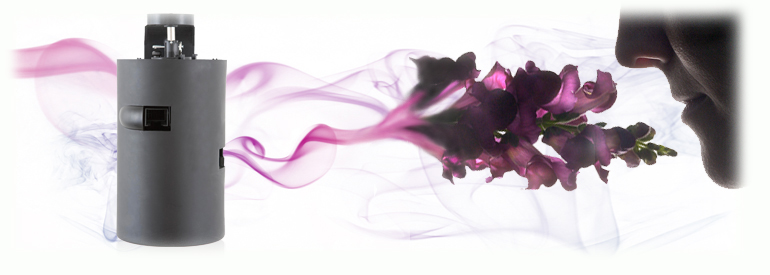
And it has reported a “tremendous growth” in so-called scent marketing since it opened.
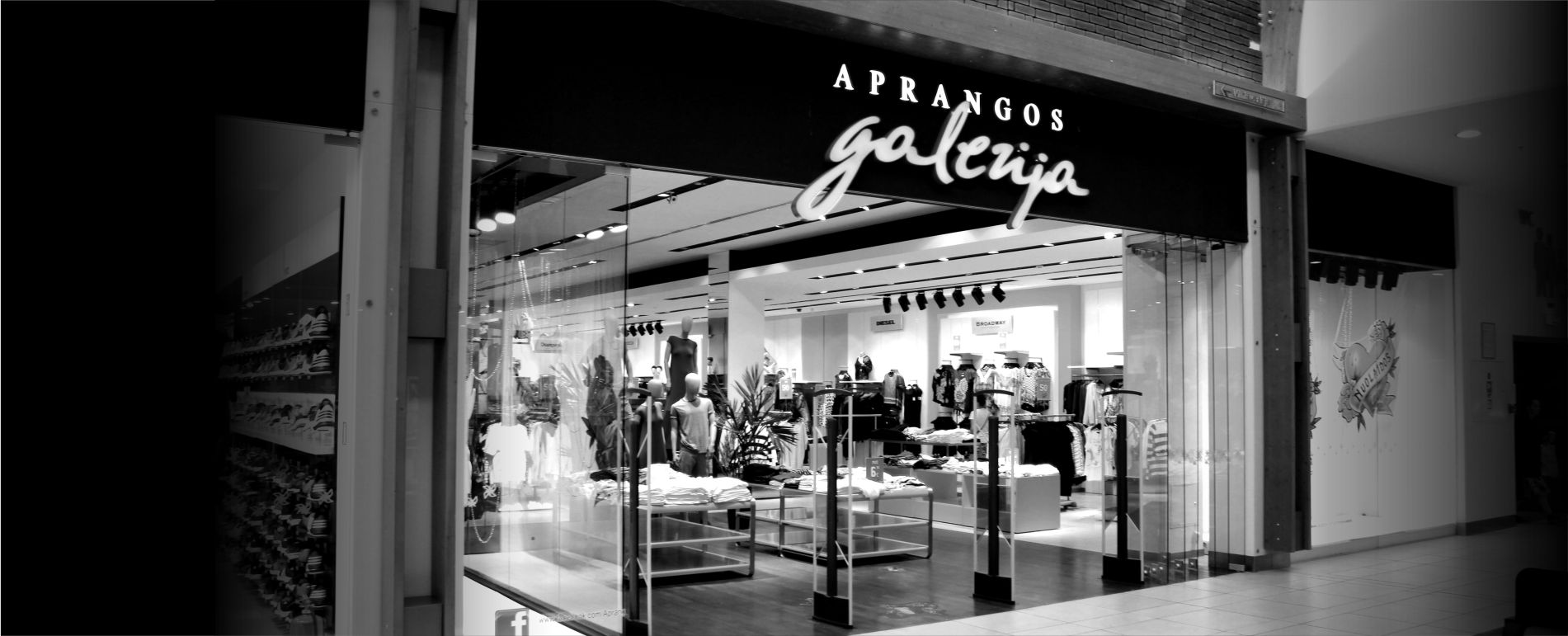
“We have been here for two years and we have seen tremendous growth,” says Saif Madhat, the managing director ScentAir Mena.The trend started in the hospitality industry – the company’s local clients include Jumeriah Beach Hotel – but it has since spread to the retail sector.Shops including Zara Home, Lifestyle and Uterque now all use scent in their stores.
Companies use scent marketing for many reasons, says Mr Madhat. Research has also proved scent can also be effective in encouraging people to buy. “The odour needs to be congruent to the product,” says Alan Hirsch, the founder and neurological director of the Smell and Taste Treatment and Research Foundation in Chicago. A retailer cannot use the smell of baked bread to help it sell more shoes, whereas a combination of “leather, vanilla, baby powder and lemon” works, according to Mr Hirsch. In clothes shops, fruity smells worked best on younger women, while floral scents were the most effective with more mature women.
Yet scent marketing does not work on everyone. It tends to be more effective on women than on men, says Mr Hirsch. And it works less well on cigarette smokers. “Maybe the smell is more distorted to them,” says Mr Hirsch. But scent marketing is just one strategy in a long list retailers use to attract customers. “They try to appeal to people by making it easy and try to make their products seem as desirable as possible,” says Sarah Peters, the lead retail analyst at Verdict Research. “The retail industry is very tough, so making it as easy for people to shop and making products look desirable is really important to all retailers at the moment,” she adds.
Certain people, such as Carla Conte, help retailers stand out. At her company, Brand Creative, a retail interior design company based in the UAE, her staff sit with every department from marketing to leasing to try to understand their issues. She says common problems in the UAE include window displays that tend to not be very creative. “There is a lack of good visual merchandisers here. In New York and London people who dress windows are really well paid and highly creative individuals. “People wait all year for a Christmas window to be put up,” adds Ms Conte. It is not that window displays are not appreciated here. Louis Vuitton and other international retailers usually have enticing displays. But local companies do not always value them.
Emma Stinson, the owner of Studio Em, an interior design company based in Dubai, set up her business about a year ago. She says her company, which designed a stand for a luxury Givori phone in Harvey Nichols in Dubai that featured a tree with gold leaves, has tried to do something a bit different in her displays. “The product, obviously, has to be the thing that stands out but you are creating an atmosphere, which will set that product off.”In places in London like Selfridges or Harvey Nics [visual merchandising is] like a piece of art, almost. Whereas here, it is not really seen that way.”
If you would like to try or purchase the scent system, click here.
Source: http://www.thenational.ae